Best Time for a Yoga Retreat in Portugal
Portugal, with its diverse landscapes, Atlantic breezes, and sun-drenched days, has firmly established itself as a premier destination for yoga retreats. From the rugged coastline of the Algarve to the verdant hills of the north, the country offers an idyllic backdrop for deepening your practice and finding inner calm. However, the timing of your visit can profoundly impact your experience, influencing everything from the weather you encounter to the cost of your journey and the number of fellow travellers you'll share the space with. Understanding the nuances of each season is key to planning your perfect yoga getaway.
Spring: Mild Weather and Blooming Landscapes (March to May)
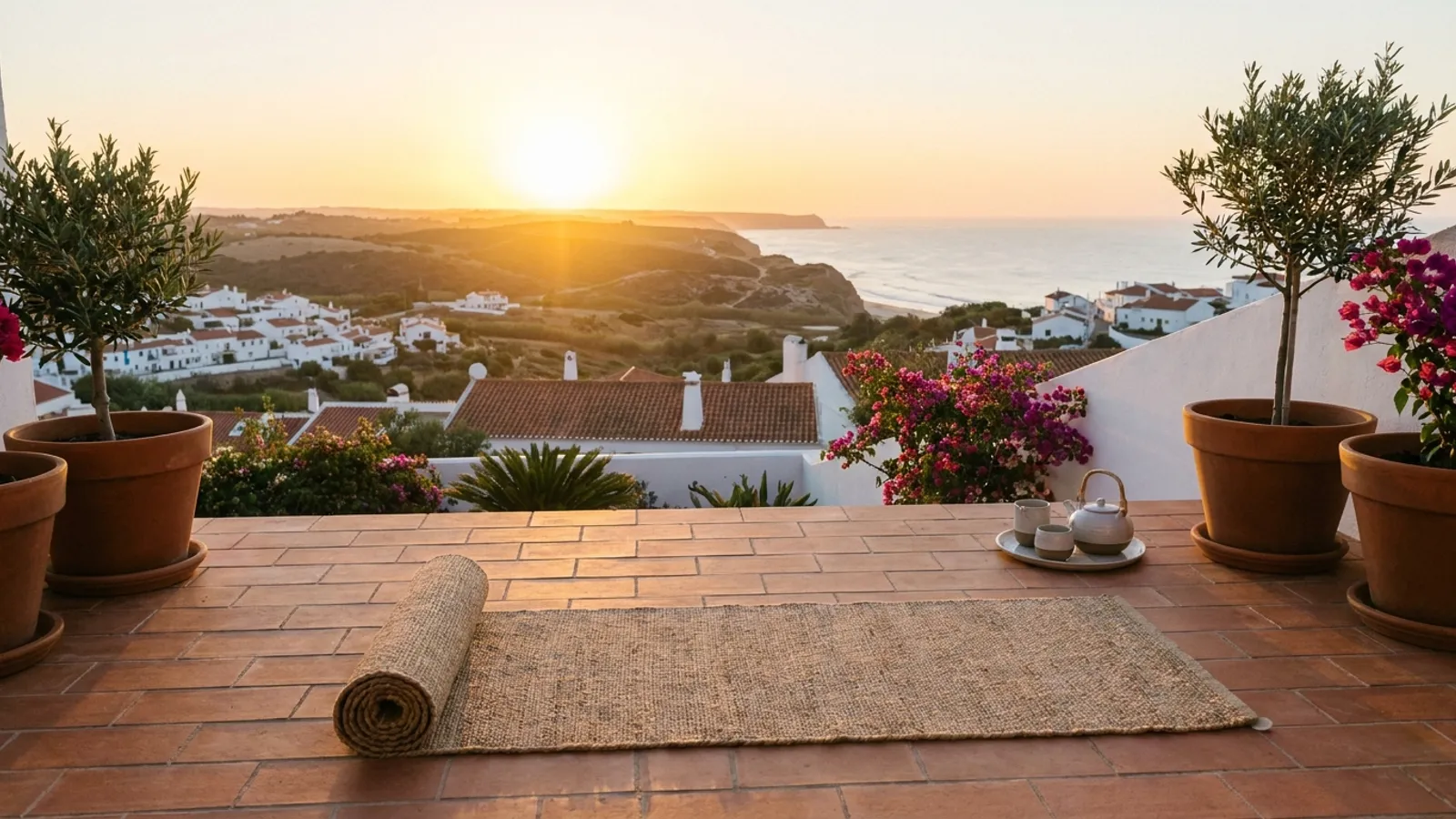
Spring is arguably one of the most delightful times to embark on a yoga retreat in Portugal, particularly if you are seeking a balance of pleasant weather and fewer crowds. As winter recedes, the country awakens, painting landscapes with vibrant wild flowers. Temperatures across Portugal during these months are comfortably mild, typically ranging from 15°C to 22°C. The days are increasingly long and sunny, yet the intense heat of summer is still a distant prospect. This makes it ideal for outdoor yoga sessions, whether on a sun-drenched terrace or a peaceful beach.
For the Algarve, spring offers a truly golden period. The notorious summer crowds have not yet descended, meaning you can enjoy the stunning beaches and charming towns with a sense of tranquility. Flight prices tend to be more reasonable than in peak summer, and accommodation options are more readily available. The sea, while still cool, begins to invite brave swimmers, and the air is fresh and invigorating. Spring is also an excellent time for exploring Portugal beyond your retreat, perhaps with gentle hikes or cycling, before the summer sun makes such activities more strenuous.
Summer: Sun, Sea, and Vibrancy (June to August)
Summer in Portugal is synonymous with sunshine and lively energy. This is the peak tourist season, and for good reason: the weather is consistently hot and dry, with average temperatures often soaring above 25°C, particularly in July and August. For those who thrive in warm climates and dream of combining their yoga practice with long days by the ocean, summer can be an appealing choice. The extended daylight hours mean more time for activities, and the vibrant atmosphere across the country is infectious.
However, the popularity of summer comes with certain considerations. The Algarve, in particular, experiences significant tourist influx during these months. Beaches can be crowded, popular restaurants require reservations, and the overall pace of life quickens. Flight and accommodation costs reach their annual peak, so booking well in advance is essential to secure your preferred retreat and travel arrangements. While many retreats are designed to offer sanctuary from the bustle, be prepared for a more energetic environment outside your retreat centre. If you opt for summer, consider retreats that offer early morning or late evening yoga sessions to avoid the midday heat, and perhaps those located slightly away from the most popular coastal hubs for a quieter experience.
Autumn: Gentle Warmth and Harvest Hues (September to November)
As summer transitions into autumn, Portugal once again offers a wonderful window for a yoga retreat. September is often considered an extension of summer, with warm temperatures persisting, especially in the south. The mercury typically hovers between 20°C and 26°C in the Algarve during September, gradually cooling to 15°C to 20°C by November. The intense heat of high summer dissipates, leaving behind comfortable warmth perfect for outdoor practice and exploration.
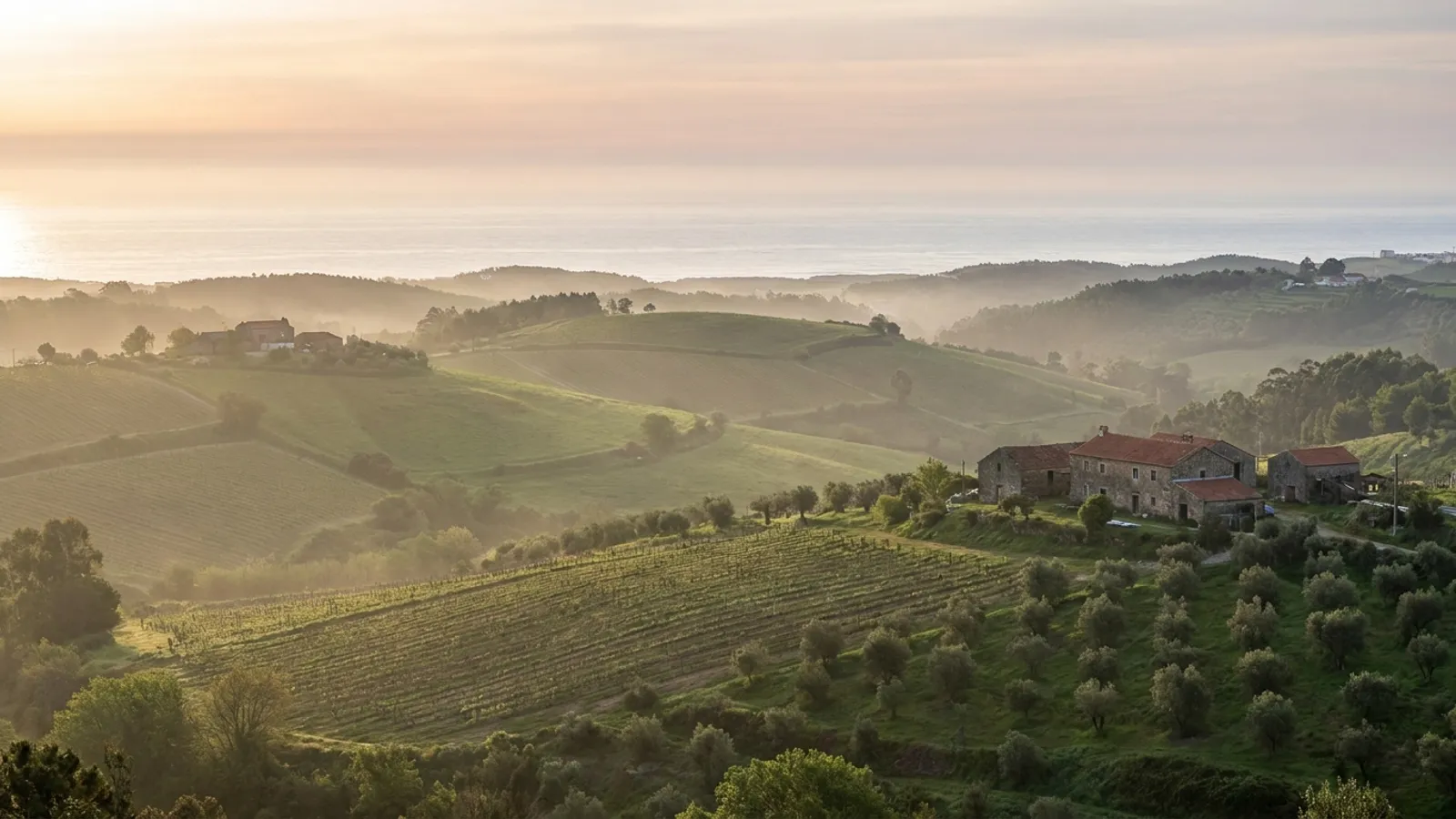
One of the main advantages of autumn is the significant reduction in crowds compared to summer. Families return home for the school year, and the atmosphere becomes noticeably calmer. This translates to more peaceful beaches, easier access to attractions, and generally lower flight and accommodation prices, especially from mid-September onwards. The sea remains warm enough for swimming well into October in the Algarve. Furthermore, autumn is harvest season in Portugal, offering a unique opportunity to experience local culture through food and wine festivals. The changing colours of the vineyards and landscapes also add a beautiful aesthetic to your retreat experience. For a comprehensive overview of retreat options, explore our independent guide to yoga retreat Portugal.
Winter: Quiet Reflection and Mild Sunshine (December to February)
While not the most common choice, winter can offer a uniquely serene and introspective experience for a yoga retreat in Portugal. The Algarve, in particular, enjoys a surprisingly mild winter compared to much of northern Europe. Average daytime temperatures typically range from 12°C to 18°C, with plenty of sunny days. While evenings can be chilly, the chances of experiencing truly cold or snowy weather are minimal.
The primary draw of a winter retreat is the profound sense of peace and quiet. Tourist numbers are at their lowest, allowing for an incredibly tranquil environment. Beaches are often deserted, offering vast, open spaces for mindful walks and contemplation. Flight and accommodation costs are generally at their lowest, making it a budget-friendly option. Many retreat centres offer cosy indoor spaces for yoga practice, often with fireplaces, creating a warm and inviting atmosphere. While outdoor swimming might be out of the question for most, the opportunity for quiet reflection, long walks, and a focus on inner work makes winter a compelling choice for those seeking a deeper, more personal retreat experience. For help finding the perfect escape, consult our yoga retreat Portugal guide.
Considering Your Priorities
The 'best time' ultimately depends on your personal preferences and priorities. If your ideal retreat involves long, hot days, swimming in warm seas, and a lively atmosphere, then late spring to early autumn (June to September) might be your preferred window, despite the crowds and higher costs. If tranquility, comfortable temperatures for outdoor activities, and more budget-friendly options are paramount, then spring (April to May) and autumn (September to October) are strong contenders. For those seeking deep introspection, solitude, and the lowest prices, winter (November to March) in the milder southern regions like the Algarve can be surprisingly rewarding. Regardless of when you choose to go, Portugal's inherent charm and dedication to wellness ensure a memorable and rejuvenating experience.
The featured retreat
To discover a curated selection of retreats that cater to various seasons and preferences, visit our homepage.