Algarve Yoga Retreat Travel Tips: Your Essential Guide
Embarking on a yoga retreat in the Algarve region of Portugal promises a unique blend of wellness and natural beauty. This guide offers practical advice to ensure your journey is as smooth and enriching as your time on the mat. We will cover everything from arrival logistics to cultural nuances and regional highlights, helping you make the most of your Algarve experience.
Getting There: Navigating Algarve Airports and Transfers
The primary gateway to the Algarve is Faro Airport (FAO). It is well-connected with numerous direct flights from across Europe, particularly during the peak season from May to October. When booking your flights, consider arriving a day early or staying a day later than your retreat dates to allow for seamless travel and to acclimatise to the local pace.
Upon arrival at Faro Airport, you have several options for reaching your retreat location. Many yoga retreats offer airport transfers, which can be the most convenient and stress-free solution, especially if you are travelling with luggage or arriving late. Confirm this service with your retreat organiser in advance.
Alternatively, taxis are readily available outside the terminal. While convenient, they can be a more expensive option, particularly for longer journeys. Ride-sharing services like Uber and Bolt are also operational in the Algarve and often provide a more economical alternative to traditional taxis.
For those who prefer independence, car hire is a popular choice. Numerous rental companies operate at Faro Airport. Renting a car provides flexibility to explore the region at your leisure before or after your retreat. However, be mindful of parking availability at your retreat and the often-narrow roads in some coastal towns. Ensure you have appropriate insurance coverage and understand local driving regulations.
Public transport, while less direct, is another option. Buses connect Faro Airport to Faro city centre, from where you can take regional buses or trains to various towns across the Algarve. This can be a more budget-friendly choice but requires careful planning of schedules, especially if your retreat is in a more remote location.
Packing Essentials for Your Algarve Yoga Retreat
Packing for an Algarve yoga retreat requires a balance between comfort, practicality, and consideration for the local climate. Beyond your yoga attire, here are some key items to include:
- Yoga Mat and Props: While many retreats provide mats and props, bringing your own can offer a sense of familiarity and hygiene. Check with your retreat beforehand.
- Comfortable Clothing: Lightweight, breathable clothing suitable for warm weather is essential. Include layers for cooler evenings or air-conditioned spaces.
- Swimwear: The Algarve boasts beautiful beaches and many retreats have pools.
- Sun Protection: High-factor sunscreen, a wide-brimmed hat, and sunglasses are crucial, especially if you plan to spend time outdoors.
- Reusable Water Bottle: Staying hydrated is paramount, especially in the Portuguese sun.
- Insect Repellent: Particularly useful during the evenings, especially if your retreat is in a rural setting.
- Comfortable Walking Shoes: For exploring local towns, hiking, or leisurely strolls.
- Adaptor: Portugal uses Type F (Schuko) or Type C electrical outlets (two round pins).
- Basic First-Aid Kit: Include any personal medications, plasters, antiseptic wipes, and pain relievers.
- Journal and Pen: For reflection and note-taking during your retreat.
- Lightweight Scarf or Shawl: Useful for sun protection, warmth in the evenings, or for visiting religious sites where modest dress may be appreciated.
Remember to check the weather forecast closer to your departure date, as temperatures can vary, particularly during the shoulder seasons.
Embracing Local Culture and Etiquette
The Algarve offers a rich cultural tapestry beyond its stunning coastline. Engaging respectfully with local customs will enhance your experience.
- Language: The official language is Portuguese. While English is widely spoken in tourist areas, learning a few basic Portuguese phrases like 'Olá' (hello), 'Obrigado/a' (thank you – male/female), and 'Por favor' (please) will be appreciated.
- Dining: Meal times in Portugal tend to be later than in some other European countries. Lunch is typically around 1 pm to 3 pm, and dinner from 7:30 pm onwards. Tipping is customary but not obligatory; a tip of 5-10% for good service is generally well-received.
- Punctuality: While punctuality is generally valued, a more relaxed attitude towards time is common in social settings. However, for scheduled retreat activities, aim to be on time.
- Dress Code: The Algarve is generally relaxed, but when visiting churches or more traditional villages, it is respectful to dress modestly, covering shoulders and knees.
- Greetings: A handshake is common when meeting someone for the first time. Among friends, two kisses on the cheek (one on each side, starting with the right) are typical.
- Pace of Life: Embrace the 'slow living' philosophy. The Algarve encourages a relaxed pace, which aligns perfectly with the aims of a yoga retreat.
For more insights and to explore other regions, you might find our independent guide to yoga retreats in Portugal helpful.
Exploring the Algarve: Regional Highlights and Activities
While your retreat will be a sanctuary, the Algarve offers a wealth of opportunities for exploration. Depending on your retreat's location and schedule, consider these regional highlights:
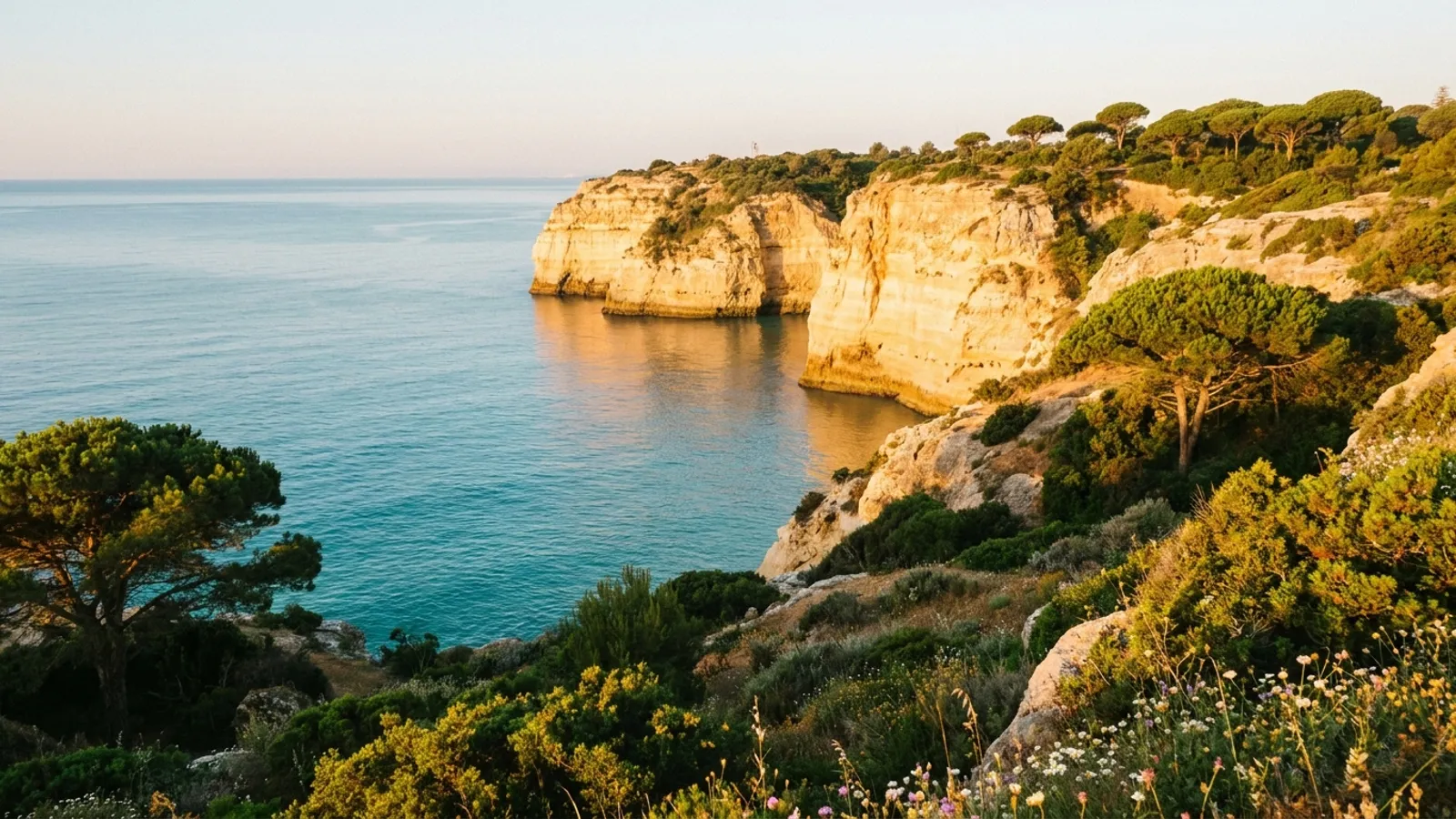
- Beaches and Coastline: The Algarve is famous for its breathtaking beaches. From the dramatic cliffs of Praia da Marinha to the expansive sands of Praia da Falésia, there is a beach for every preference. Consider a boat trip to explore the sea caves and grottoes, such as those near Lagos (Ponta da Piedade) or Benagil.
- Historic Towns: Explore the charming old towns of Faro, Lagos, Tavira, and Silves. Wander through cobbled streets, admire historic architecture, and discover local markets. Faro's old town, surrounded by ancient walls, is particularly captivating.
- Nature and Hiking: The Rota Vicentina offers stunning coastal and inland hiking trails, perfect for connecting with nature. The Ria Formosa Natural Park, a protected lagoon system, is a haven for birdwatching and gentle walks.
- Local Cuisine: Indulge in fresh seafood, particularly grilled sardines, cataplana (a seafood stew), and pasteis de nata (custard tarts). Sample local wines and Medronho, a potent fruit brandy.
- Markets: Visit local markets (Mercado Municipal) for fresh produce, regional delicacies, and handicrafts. They offer a vibrant glimpse into local life.
- Wellness Beyond Yoga: Many areas offer opportunities for surfing, paddleboarding, or simply relaxing by the sea.
Always check opening hours and availability, especially outside the peak tourist season. Some attractions may require advance booking. Remember to allocate time for quiet reflection, too, as this is a core component of any yoga retreat. Our comprehensive guide to yoga retreat Portugal can help you discover more options.
Health and Safety Considerations
Portugal is a safe country, but it's always wise to be prepared. Ensure you have comprehensive travel insurance that covers medical emergencies and any activities you plan to undertake. Keep a copy of your passport and important documents separate from the originals. Be mindful of your belongings, especially in crowded tourist areas, to prevent petty theft.
The sun in the Algarve can be intense, so continuous hydration and sun protection are vital. Tap water is generally safe to drink in Portugal, but many prefer bottled water. If you have any dietary requirements or allergies, communicate these to your retreat organiser well in advance. Portugal has a good healthcare system, and pharmacies (farmácias) are easily identifiable by a green cross sign.
The featured retreat
For information on finding the perfect retreat that aligns with these travel tips and more, please visit our homepage.